Rediscovering Photography
Over the past five days, I've embarked on a series of short trips across Southern California, all in pursuit of light. Sunset takes a breathtaking turn here in Los Angeles, where the unique interplay of geographical coordinates, the vast expanse of the Pacific, and the touch of the city's infamous smog cultivate an otherworldly palette in the sky.
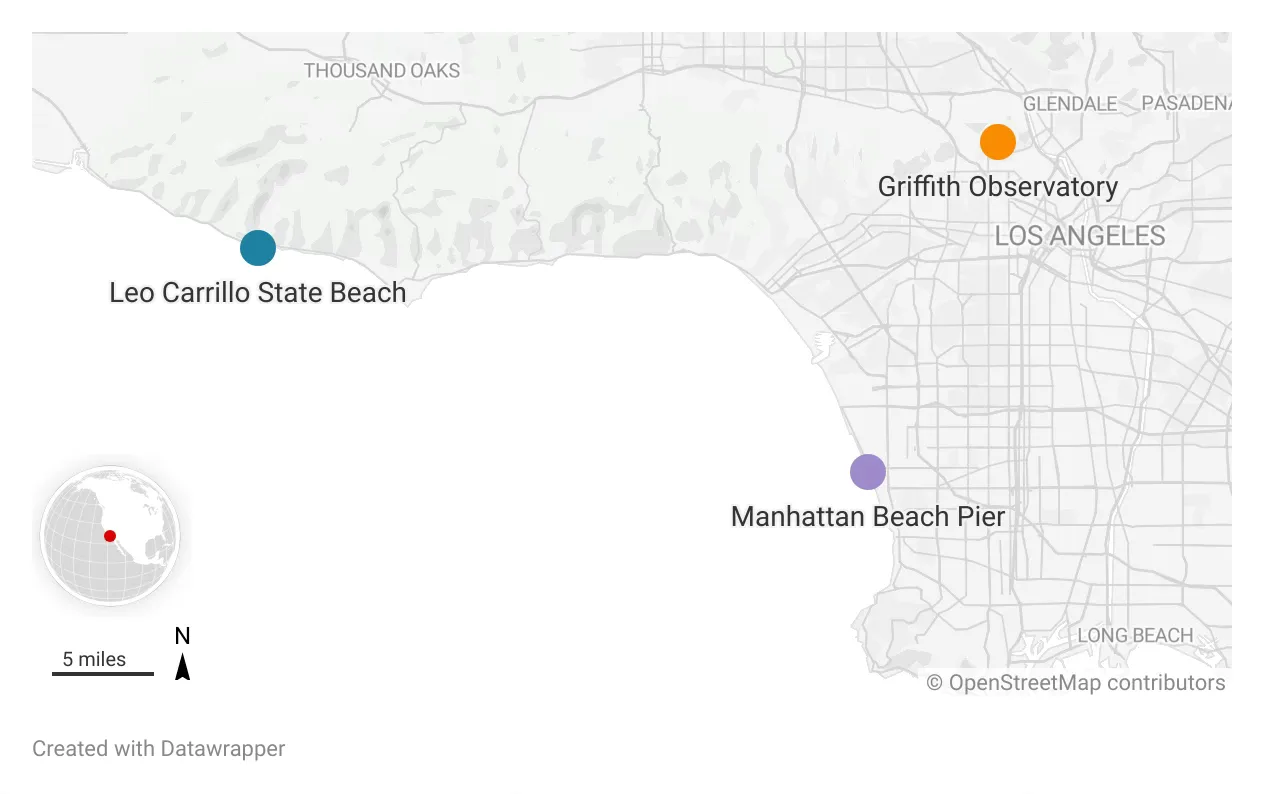
My journey took me to three iconic locations, each offering a unique vantage point to witness and capture these radiant moments:
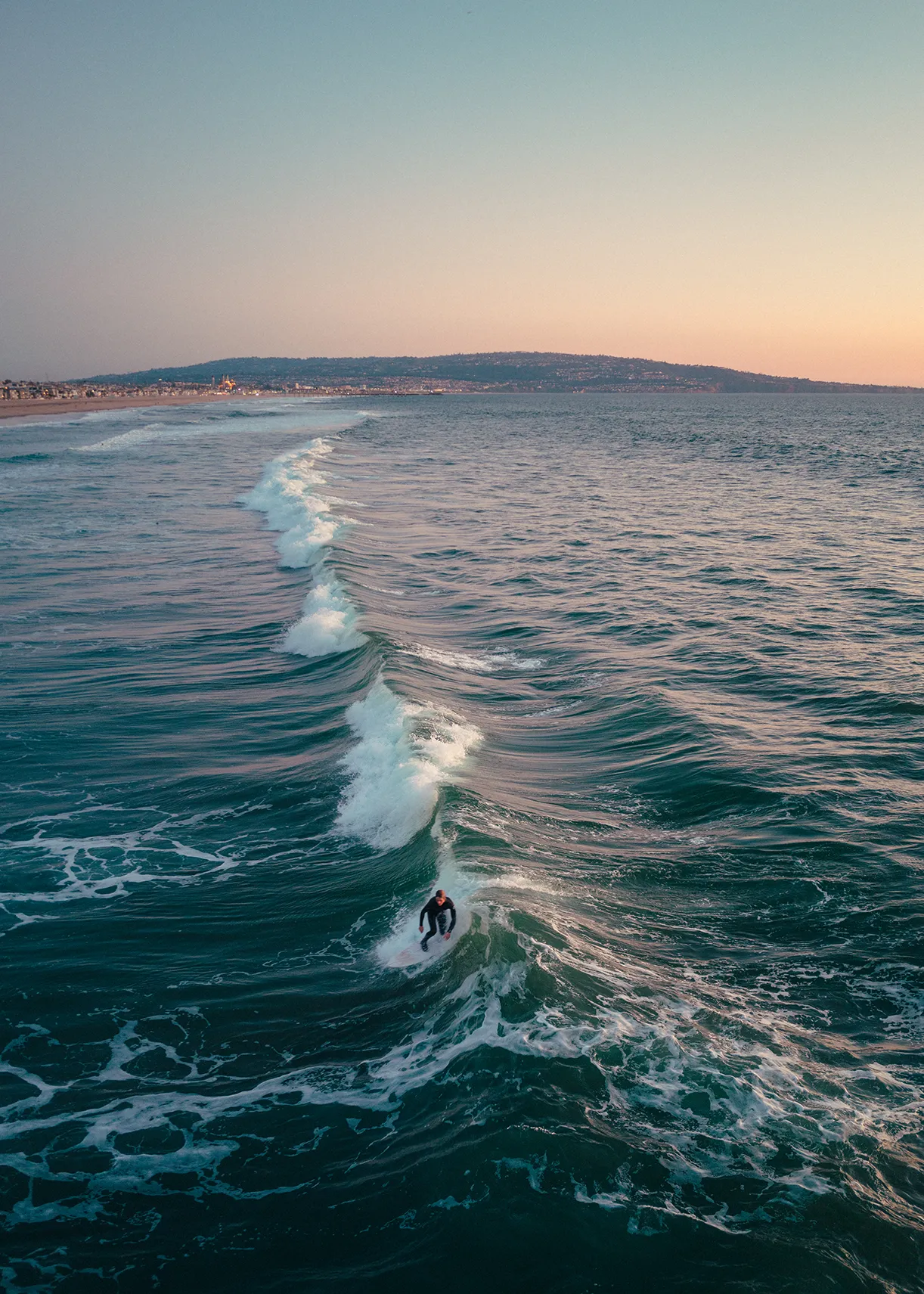
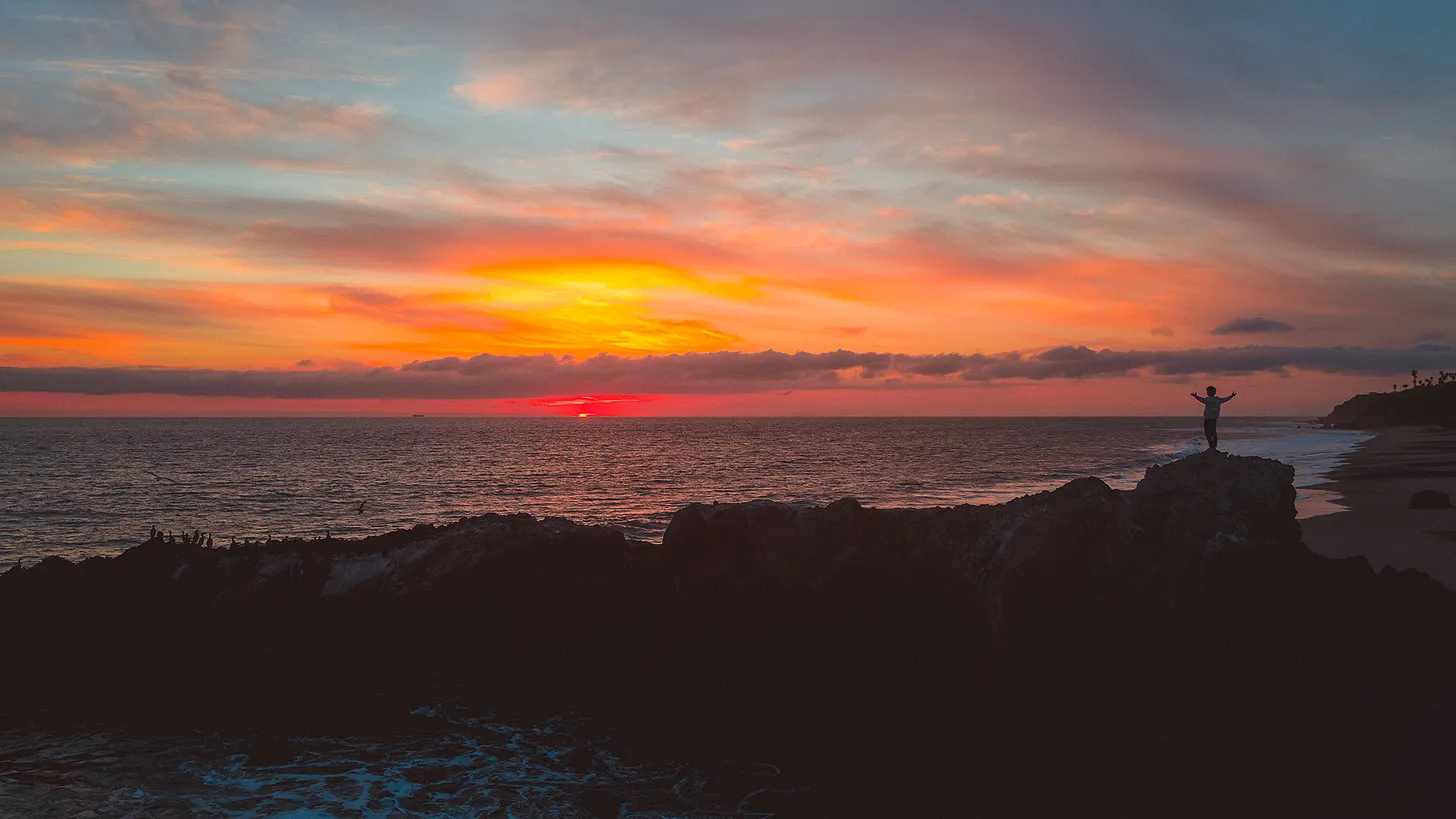
- Manhattan Beach Pier, where I captured an intrepid surfer silhouetted against the setting sun as they caught a few last waves before the day's end.
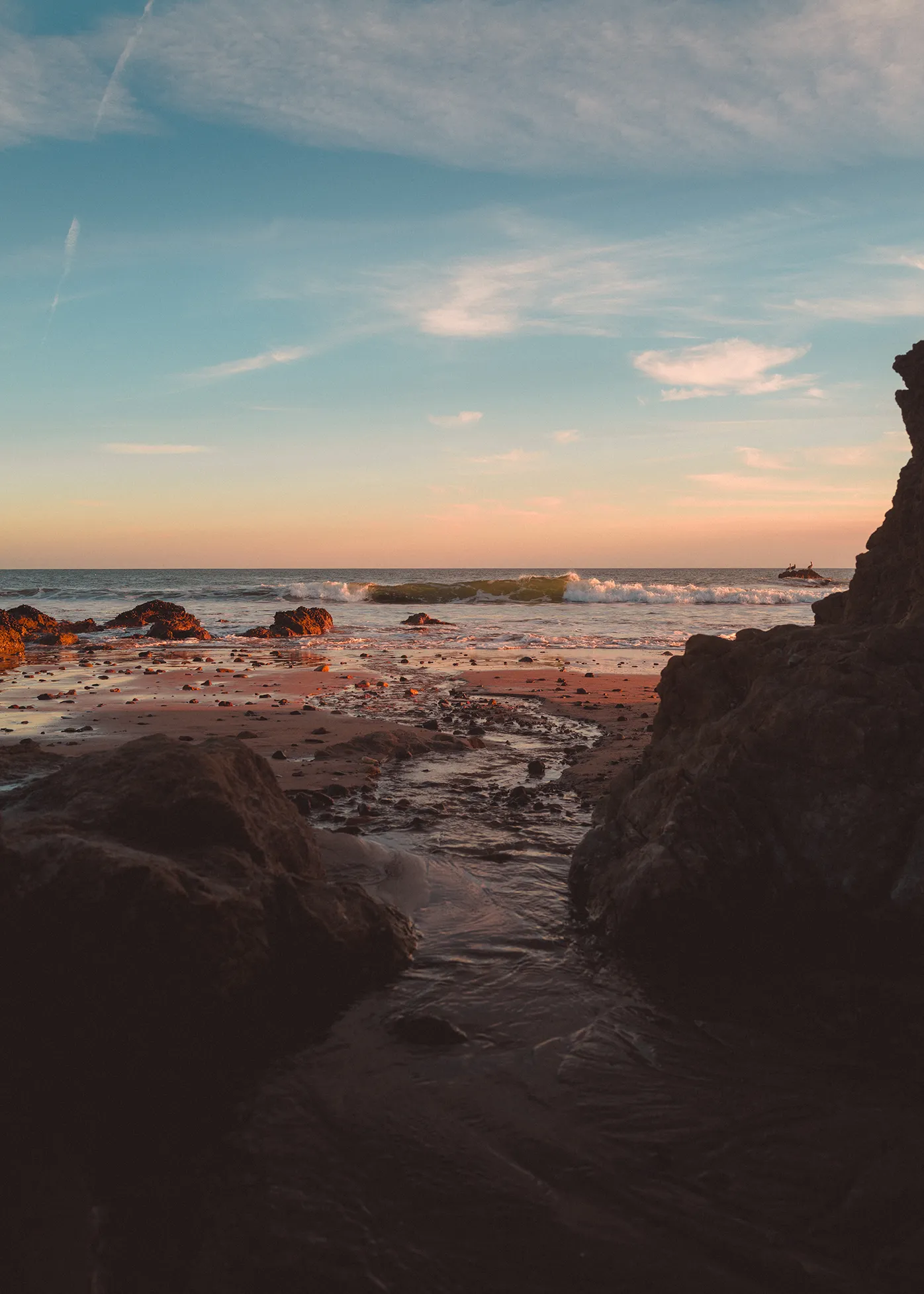
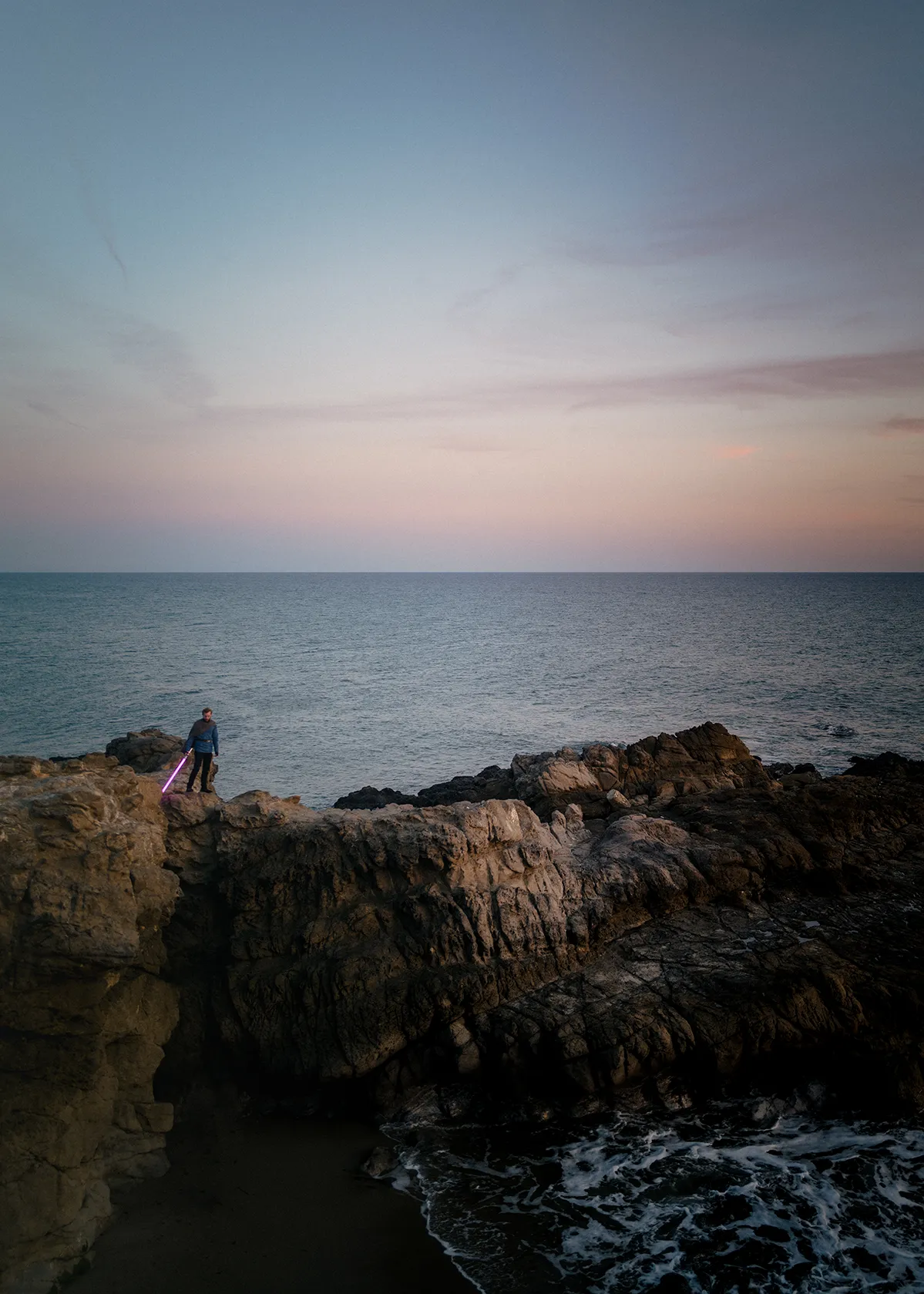
- Leo Carrillo State Beach, where I witnessed an intimate rendezvous with nature where the sun dips below towering rock formations, painting them with a fiery glow.
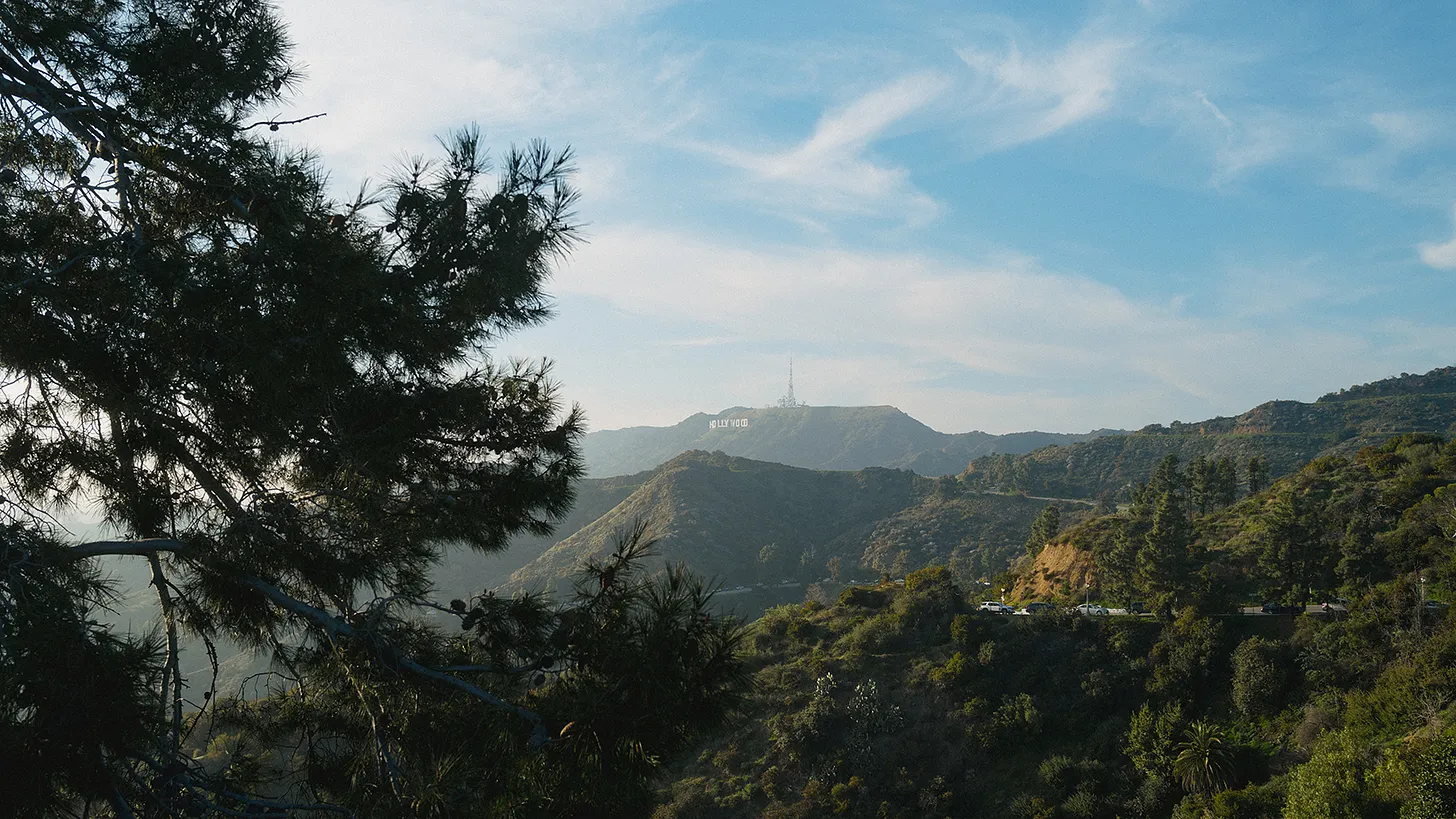
- The Griffith Park Observatory, where I went above the chaos of LA and basked in the panoramic spectacle of the glowing sky meeting the urban sprawl.
This narrative isn't only a sunset journal; it delves deeper, exploring how I extricated myself from the creative stagnation I had inadvertently and then deliberately ensnared myself. It's a reflection on the artistic journey, the technical intricacies, and the emotional odyssey encountered to capture the world through my lens. I'll share images, gear, and the stories behind each sunset.
The Process
Living in Los Angeles, I'm constantly inspired by the diverse landscapes and hidden gems this sprawling city offers. But capturing its beauty requires a solid workflow that I've honed over time. Let me take you through my process, from planning the perfect shot to editing and sharing the final image.
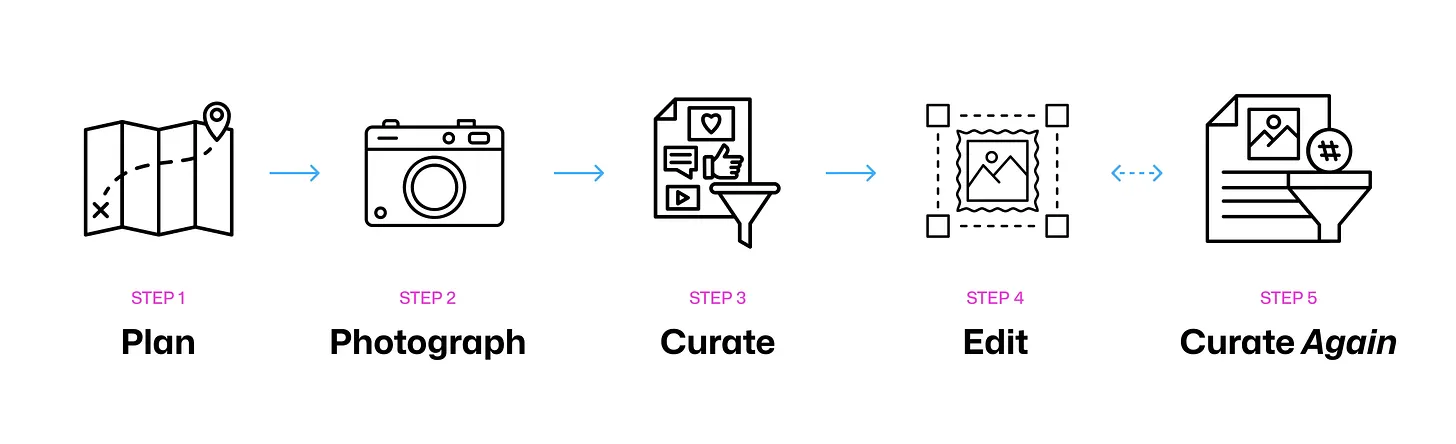
Step 1: Plan
While I grew up here, I still spend time researching locations, utilizing my local knowledge and resources like Instagram's geotagged photos. I use the weather app to determine the timing and work backward for sunrise and sunset shoots, ensuring I arrive early enough to set up and find the ideal spot. Traffic can be unpredictable, so I identify backup locations in case of unexpected delays. And trust me, researching parking beforehand saves much last-minute frustration!
Step 2: Shoot
My kit is simple yet effective: a Leica Q2, a memory card, a spare battery, a UV lens filter for protection, and occasionally a tiny tripod for long exposures. I always shoot in RAW and JPG (more on this in the next step). While I appreciate the quality of my equipment, remember that fantastic photos can be taken with just your smartphone.
Step 3: Curate
After the shoot, I review the JPGs and select the most promising images. I then use a simple script to automate the import process, transferring the chosen RAW files to my editing workspace. Here's an example code snippet:
cp /Volumes/LEICA\ Q2/DCIM/100LEICA/L1001129.DNG /Users/ka/Desktop/selects/
I stack the above snippets into an import.sh file and run it in a shell. The RAW files are hefty — almost 85 megabytes per photo!
Step 4: Edit
Lightroom (formerly Lightroom Cloud) is my go-to editing software. Years of experience have made me fluent in its tools and keyboard shortcuts. Eventually, all photos are also imported into Lightroom Classic for long-term storage.
Step 5: Curate, Again
I'll admit that the final curation stage can sometimes lead to a loop of self-doubt, hindering the creative process. It's important to acknowledge this challenge and find ways to push past it, keeping the joy of photography alive. The final step involves exporting the edited photos and sharing them with my wife and close friends via cloud services.
The Gear
I often get asked about my gear, so let's delve into the digital cameras shaping my journey. Film photography is another story I might explore in another post, perhaps with the challenge of shooting different locations on film, as I did here.
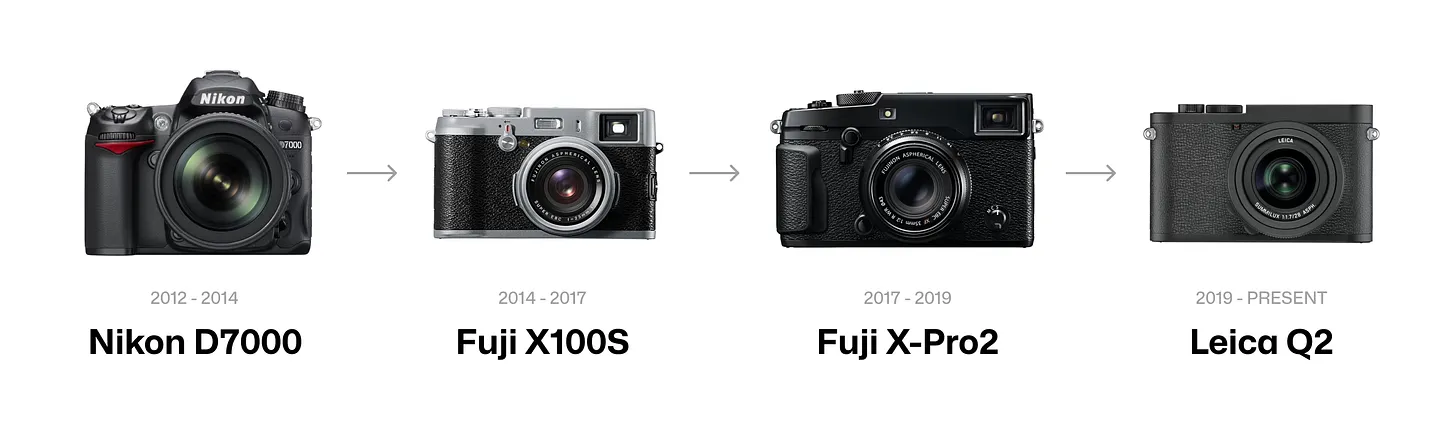
Let me confess: my all-time favorite camera was the Fujifilm X100s. Its perfect ergonomics, analog controls, and fixed lens helped me become a better photographer. But why did I part with my beloved X100s? After over 100,000 exposures, it simply wore out. The repair cost was hefty, and with a trip to Iceland approaching, I opted to buy a new Fujifilm X-Pro2 instead.
Then, in 2019, my wife surprised me with the Leica Q2. Our eldest had just turned one, and I was capturing precious moments with the X-Pro2. I'd always been drawn to the Leica system, and this gift was the nudge I needed. However, the pandemic hit soon after, and the Leica saw less use than I anticipated. Phone cameras have improved dramatically, making capturing quick moments with the kids easier.
But recently, something shifted. I've rediscovered the joy of using the Leica Q2, and it's become my go-to camera again. Its simplicity and image quality are unmatched, reminding me why I fell in love with photography in the first place.
This journey through different cameras has taught me valuable lessons. While gear is important, it's ultimately the photographer's vision and skill that create compelling images.
I Took a Break
Being a process-driven person, parenthood amplified my need for structure. Ironically, this led to a temporary disconnect from my passion for photography. Despite having fantastic gear, I didn't feel the same comfort and connection I had with my Fujifilm cameras. While technically sound, the initial photos I captured with the Leica Q2 lacked the character I desired. They felt overly clinical, and I struggled to extract the magic hidden within its high resolution.
Life also shifted my focus toward other interests: music, coding, art, family, and work. Photos accumulated on my hard drive, unedited and forgotten, as other priorities took precedence. This created a vicious cycle, further distancing me from my creative outlet.
For a while, I accepted this quietude in my photographic pursuits. But inspiration struck again when I grabbed the Q2 for the kids' first school day. Ultimately, the driving force behind my renewed passion is my family. I want to preserve our memories together and pass down a visual legacy of our collective journey. This realization has rekindled my love for photography.
The New Process
Entering 2024, I yearned to pursue photography more. To achieve this, I needed to revisit and optimize my workflow, focusing on two key areas: getting out more often and overcoming analysis paralysis during the final curation stage.
Breaking free from this self-imposed cycle meant challenging the rules and processes that had become my cage. So, I made some changes:
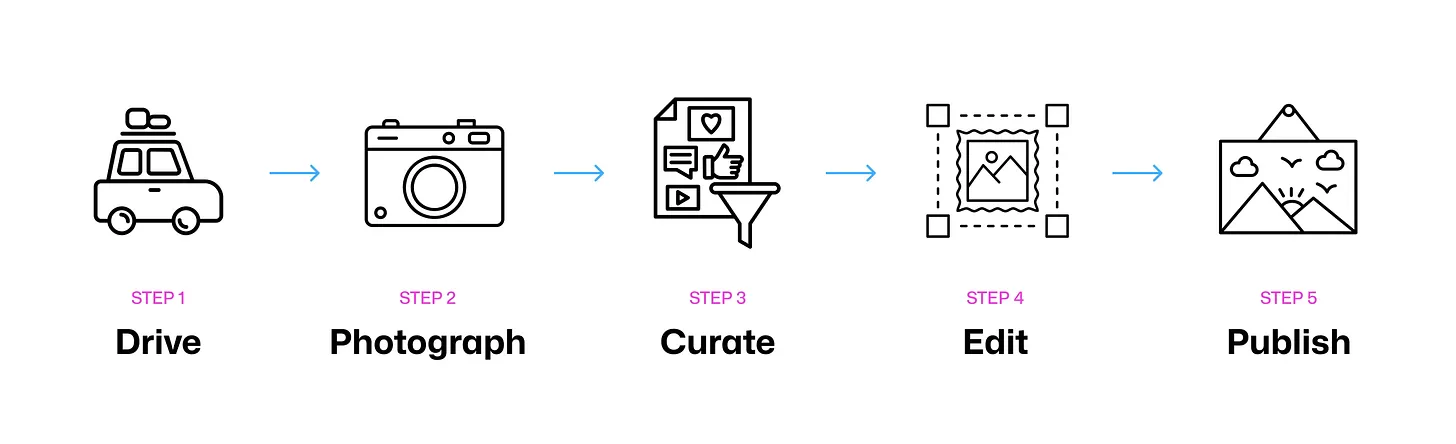
As you can see, the core process remains similar, but the bookends have undergone a significant transformation.
New Step 1: Drive
Instead of meticulously researching and chasing the "perfect" location, I hop in the car and head in a general direction. This newfound spontaneity and flexibility are incredibly liberating. My time has not been wasted even if things don't go as planned. Sometimes, you need to increase your surface area for serendipity.
New Step 5: Publish
I'm done with over-curating my edited photos. When I'm satisfied with an edit, I share it without agonizing over whether it's "the best" one. I've learned to trust my instincts and be confident in my work. Not everyone will resonate with my photos; pixel peepers will always find something to critique. But that's okay. I'm happy and at peace with my creative expression, and that's what truly matters.
In the following sections, I'll share the stories and select photos using this revised process for each photography adventure.
The Photos
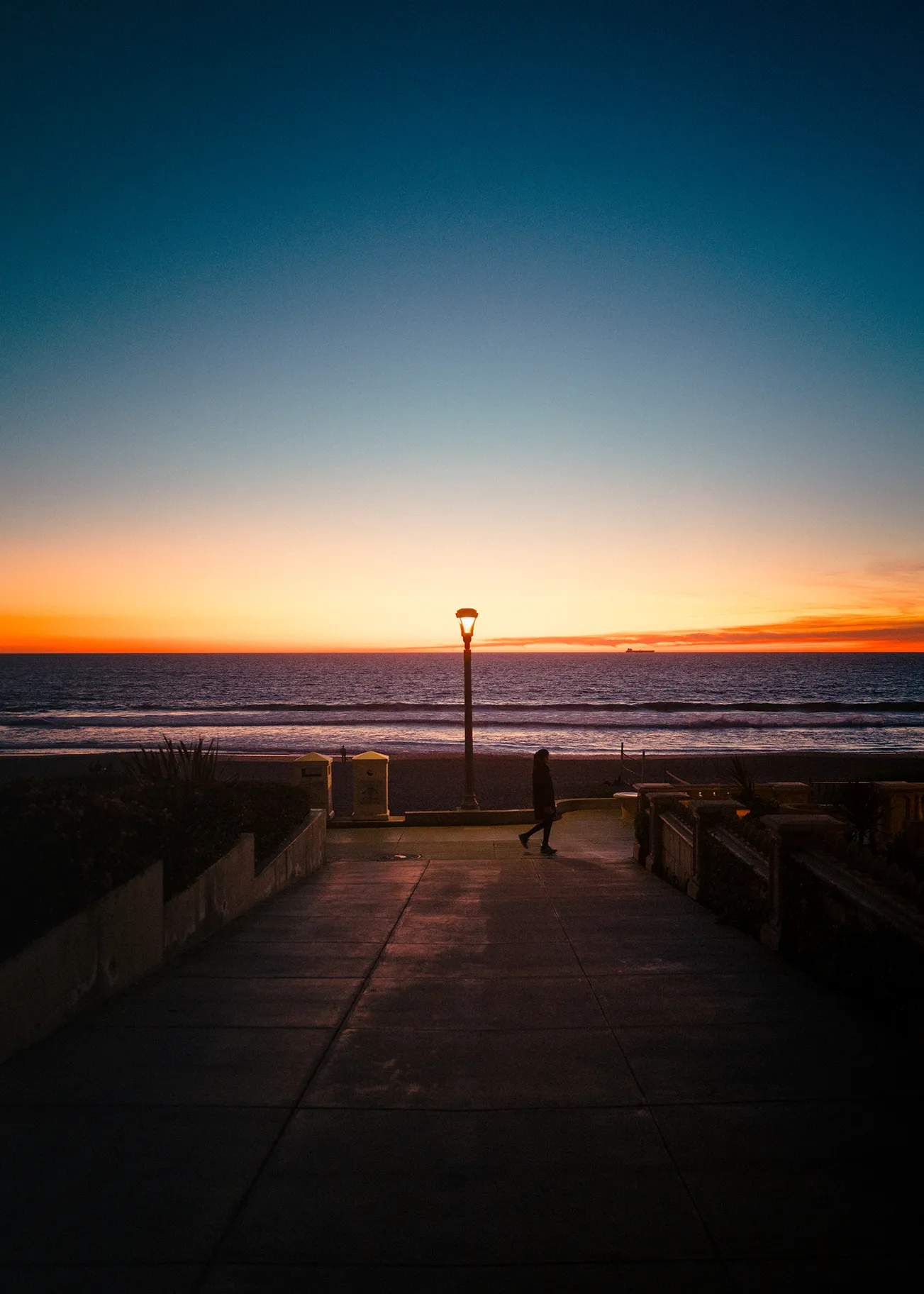
Manhattan Beach
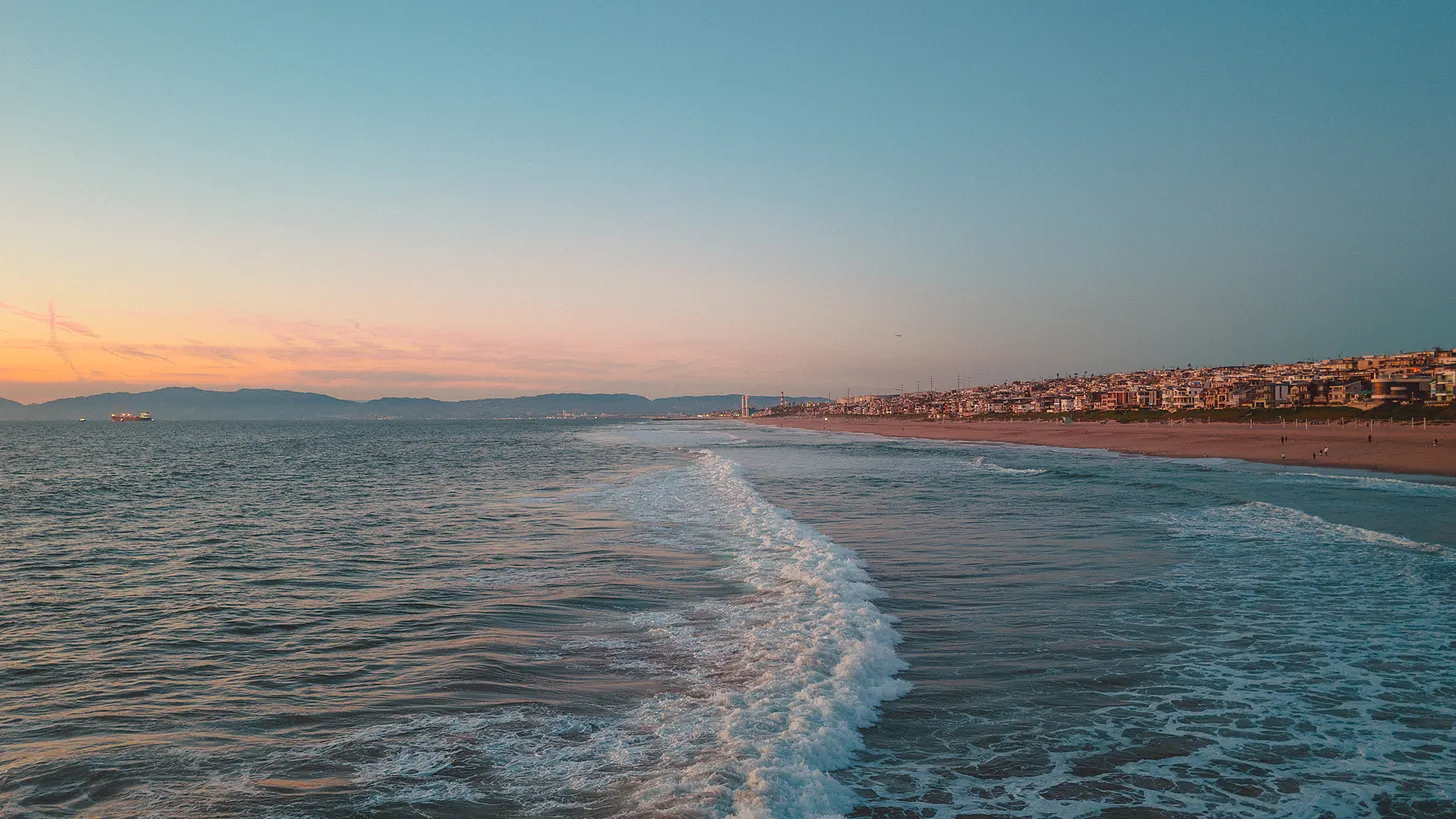
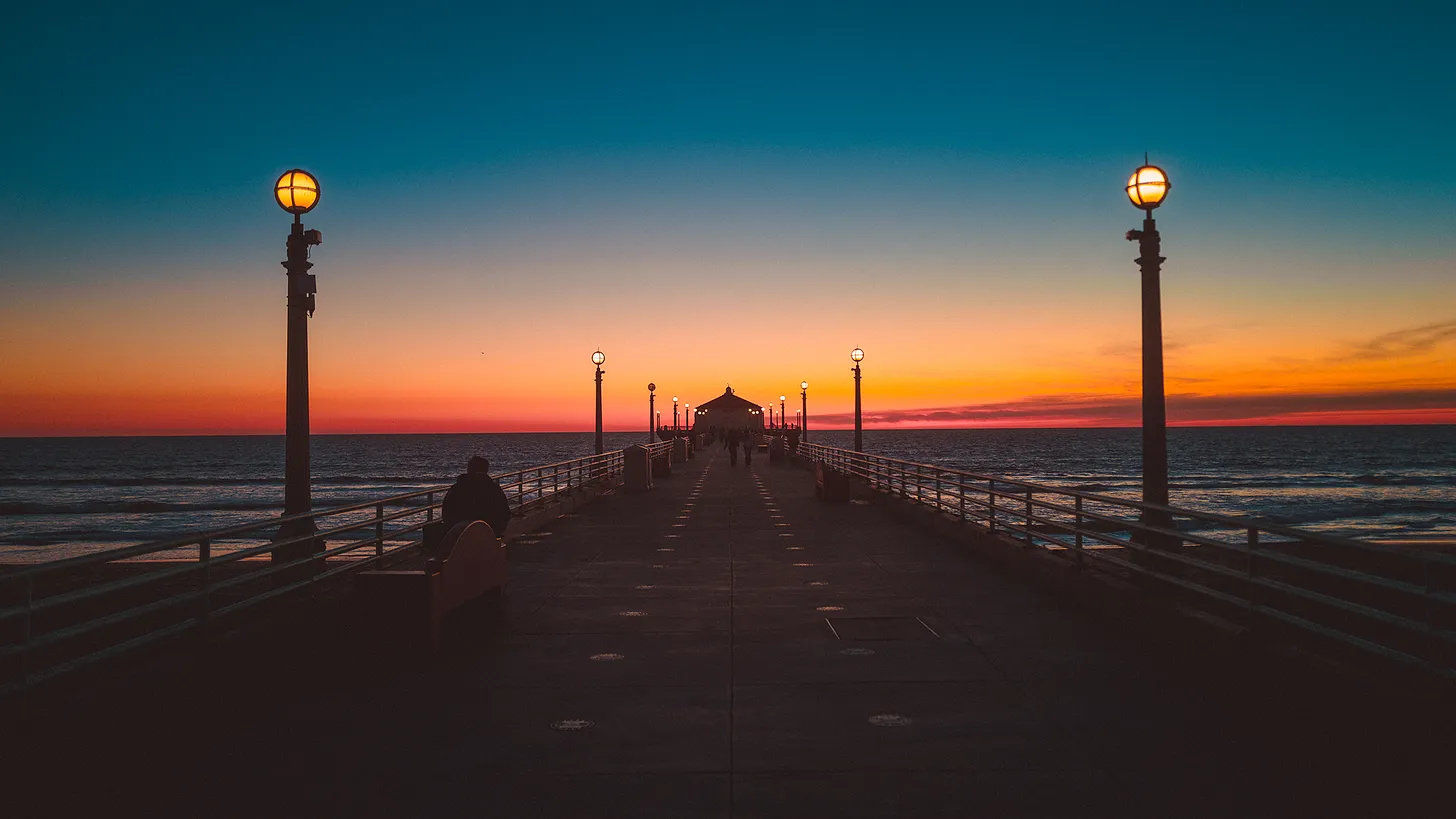
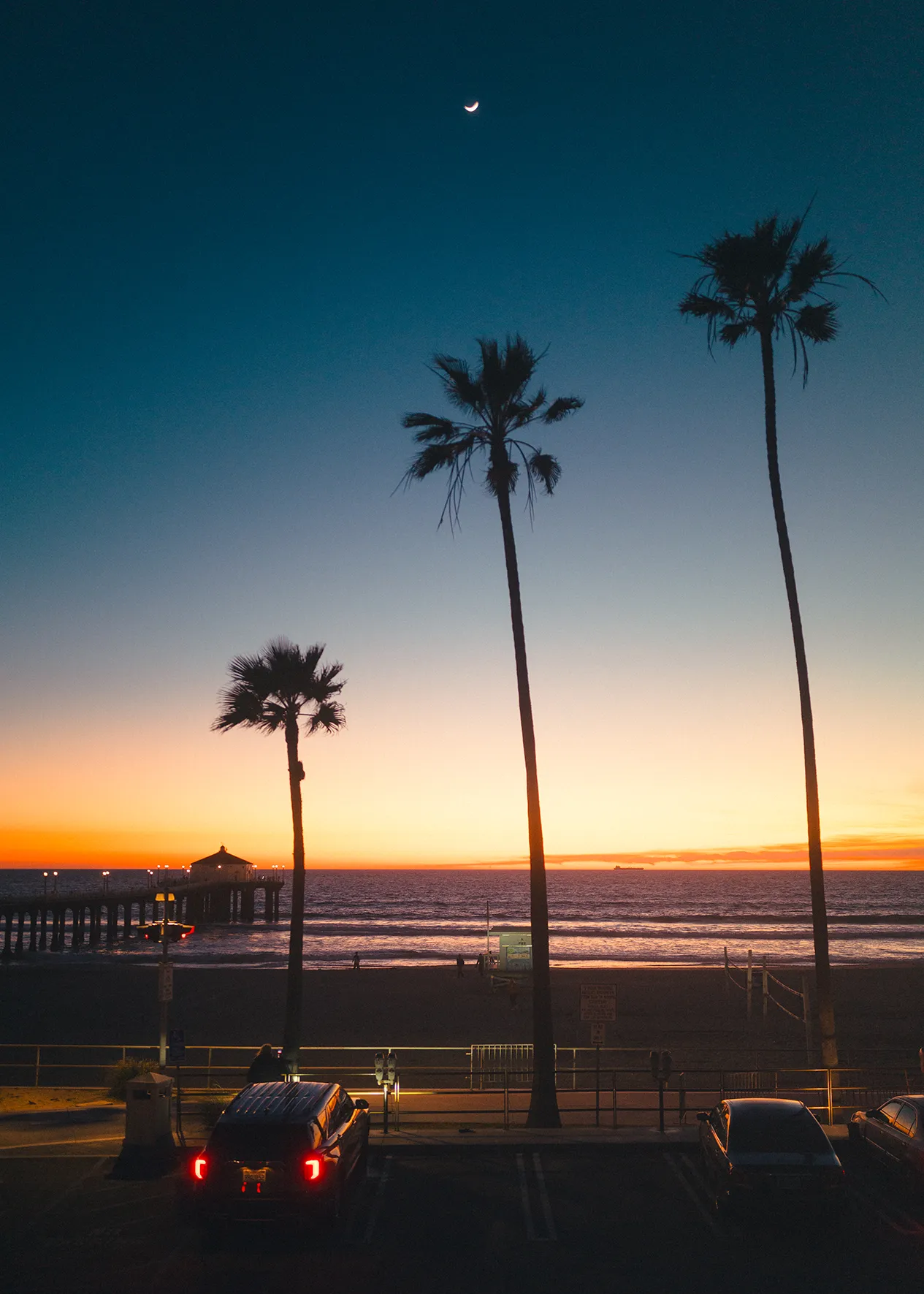
With its iconic pier, Manhattan Beach was the first testing ground for my new approach. I've photographed this location extensively, capturing stunning sunsets directly beneath the pier. This time, however, I embraced the freedom of spontaneity.
As dusk approached, I witnessed an intrepid surfer chasing the last set of waves, their silhouette framed against the fading light. Overhead, airplanes took off, creating a captivating contrast against the backdrop of the nearby refinery and LAX treatment plants.
While exploring the charming neighborhood, I couldn't help but notice the architectural shift, with modern rectangular boxes replacing the unique homes that once defined the area. But the issue of gentrification deserves its dedicated discussion.
I'll let the photos speak for themselves, showcasing the beauty and unexpected moments captured during this liberating photographic experiment in Manhattan Beach.
Leo Carrillo State Beach
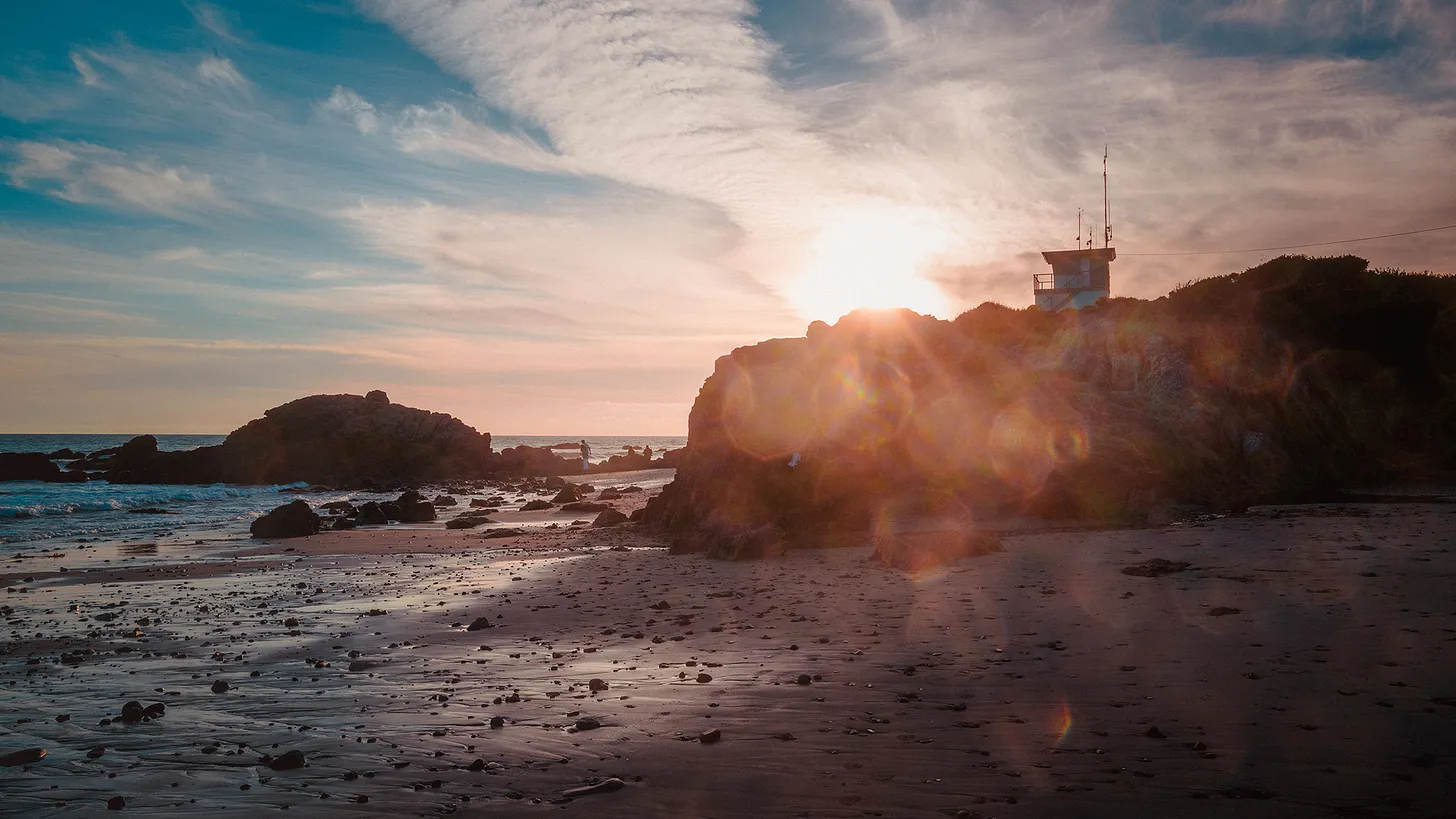
The following day, my journey took me north towards Malibu. Initially, I aimed to capture the sunset at Point Dume. However, after nearly 45 minutes of frustrating parking struggles, the old me would have given up and headed home. This time, I embraced the unexpected.
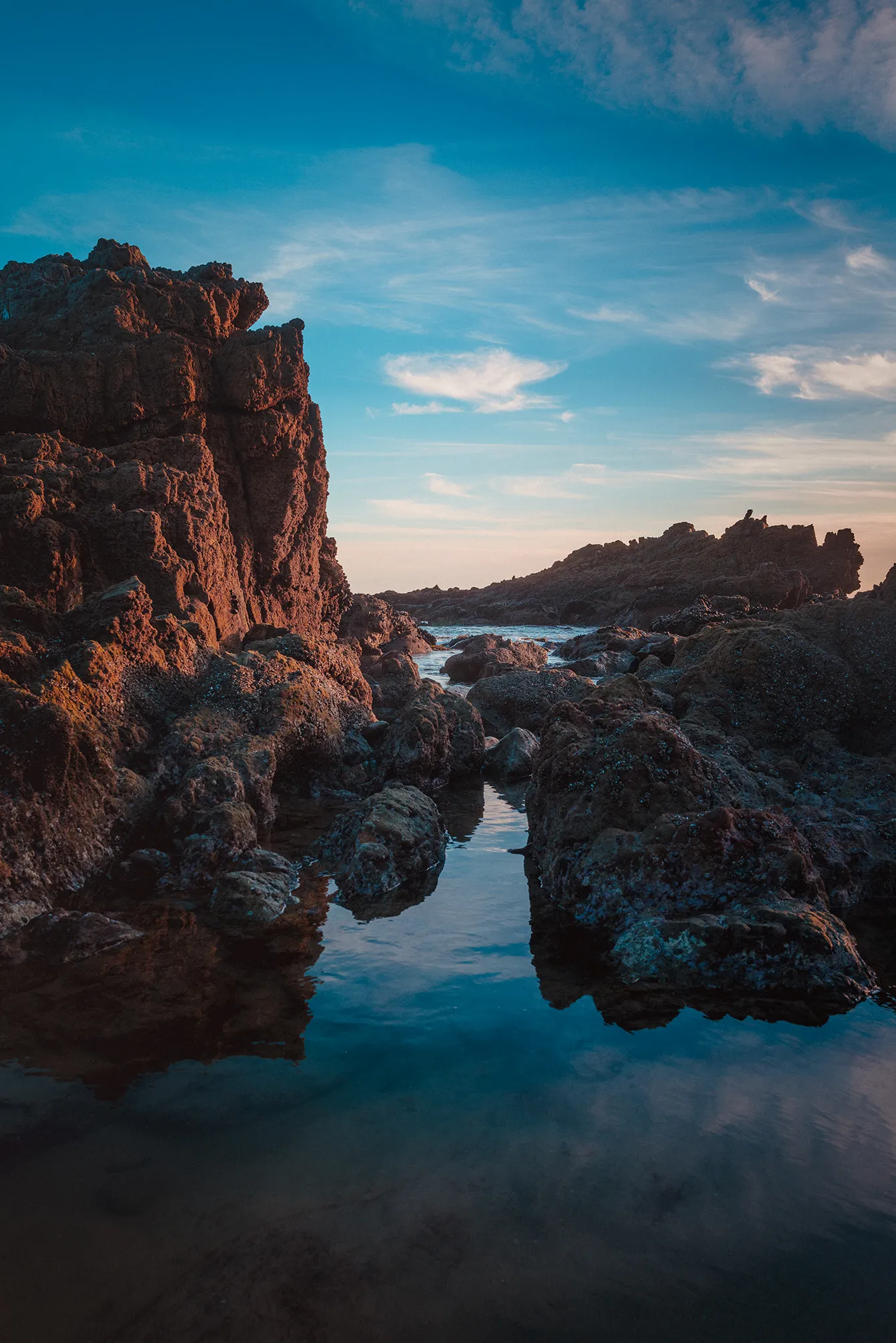
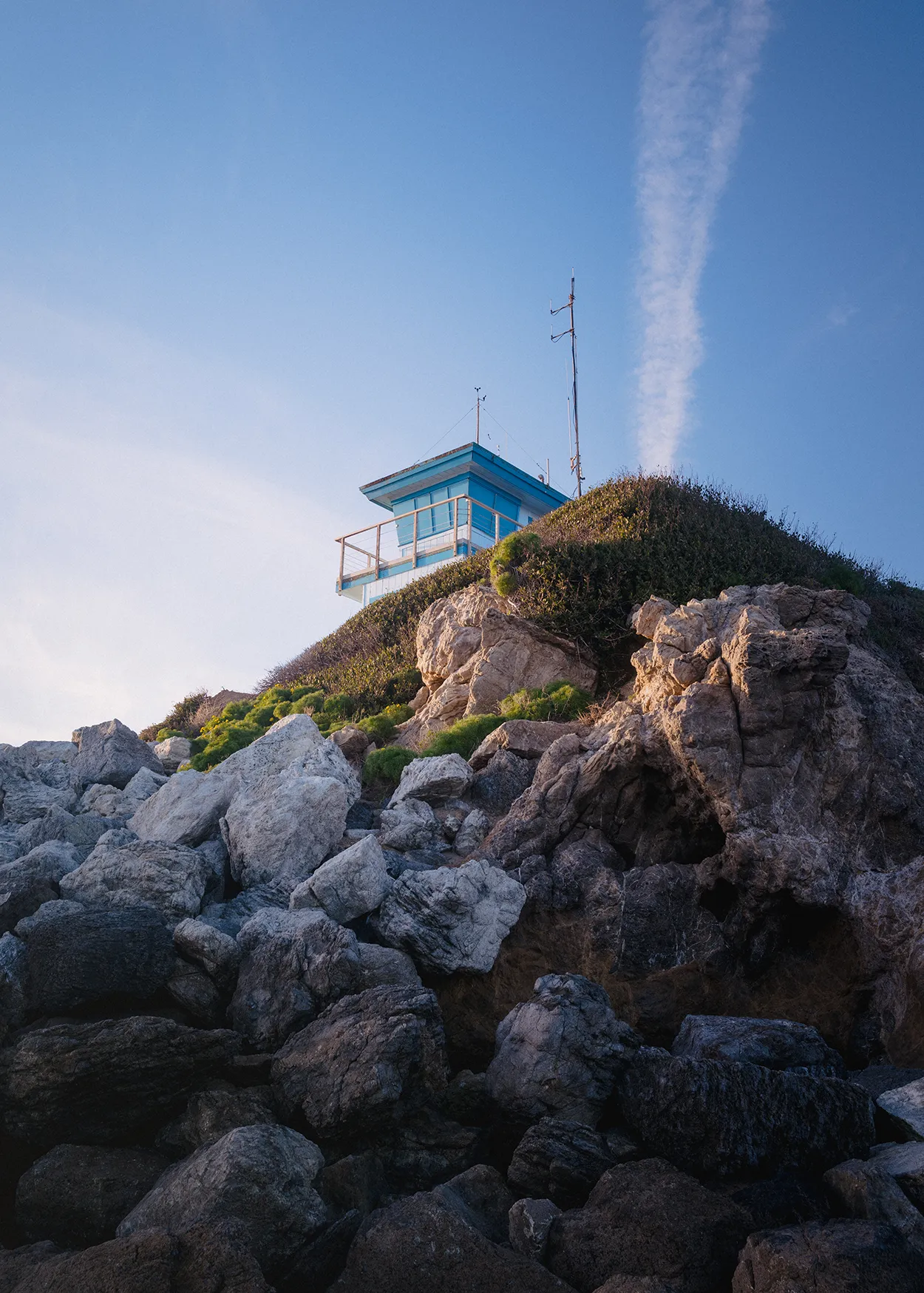
Continuing further north, I stumbled upon Leo Carrillo State Beach. It felt like luck, as I'd long wanted to visit but never found the opportunity. And what a fantastic experience it was! From exploring tide pools and marveling at the natural wonders – cliffs, rocks, caves, and stunning waves – to encountering cosplayers dressed as Star Wars characters wielding lightsabers (photographic evidence below!), this location was a true gem. Perhaps its slightly remote location contributed to its peaceful atmosphere, devoid of crowds.
Leo Carrillo State Beach was a testament to the power of embracing the unknown. It reminded me that sometimes, the best experiences are the ones we don't plan for.
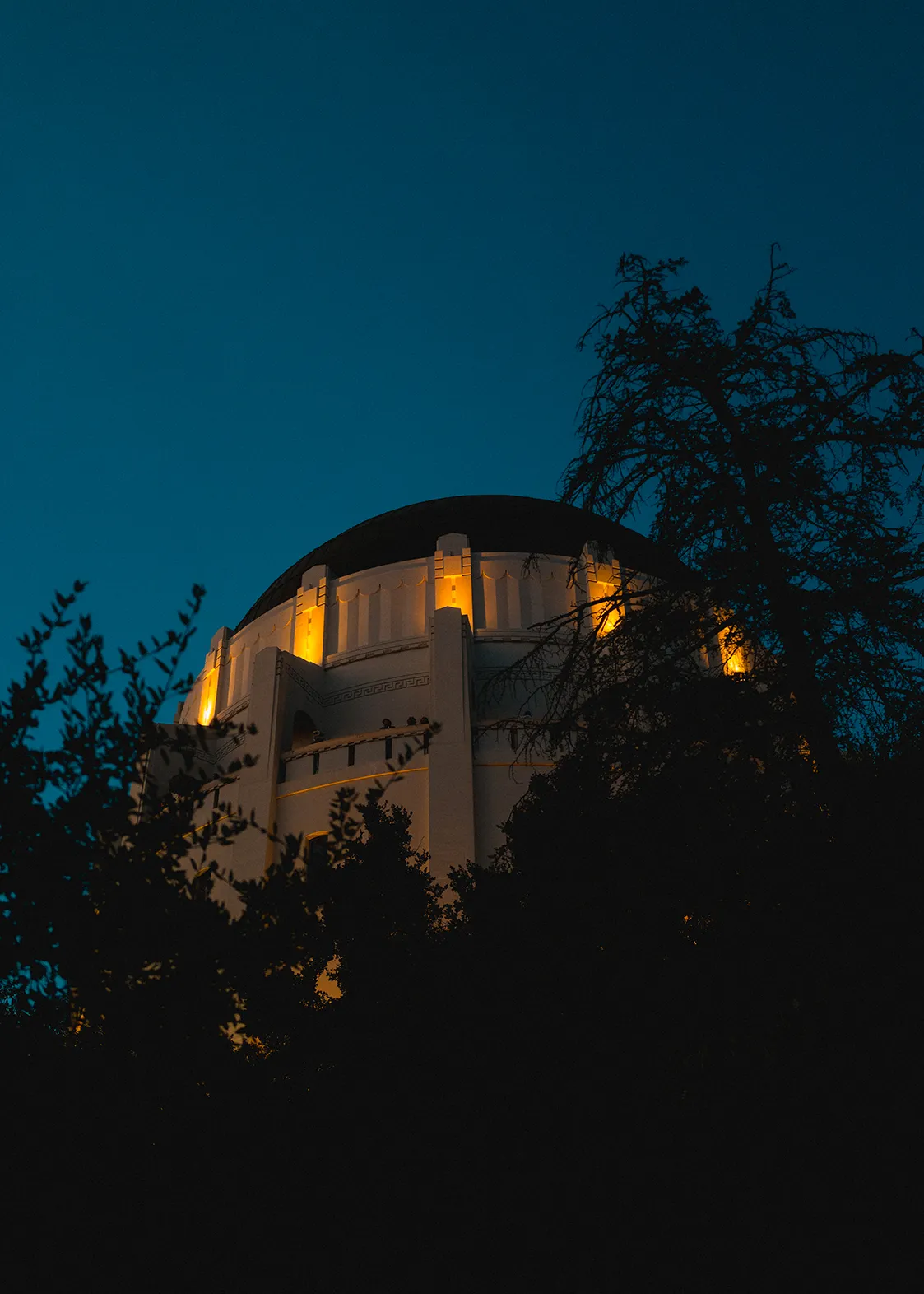
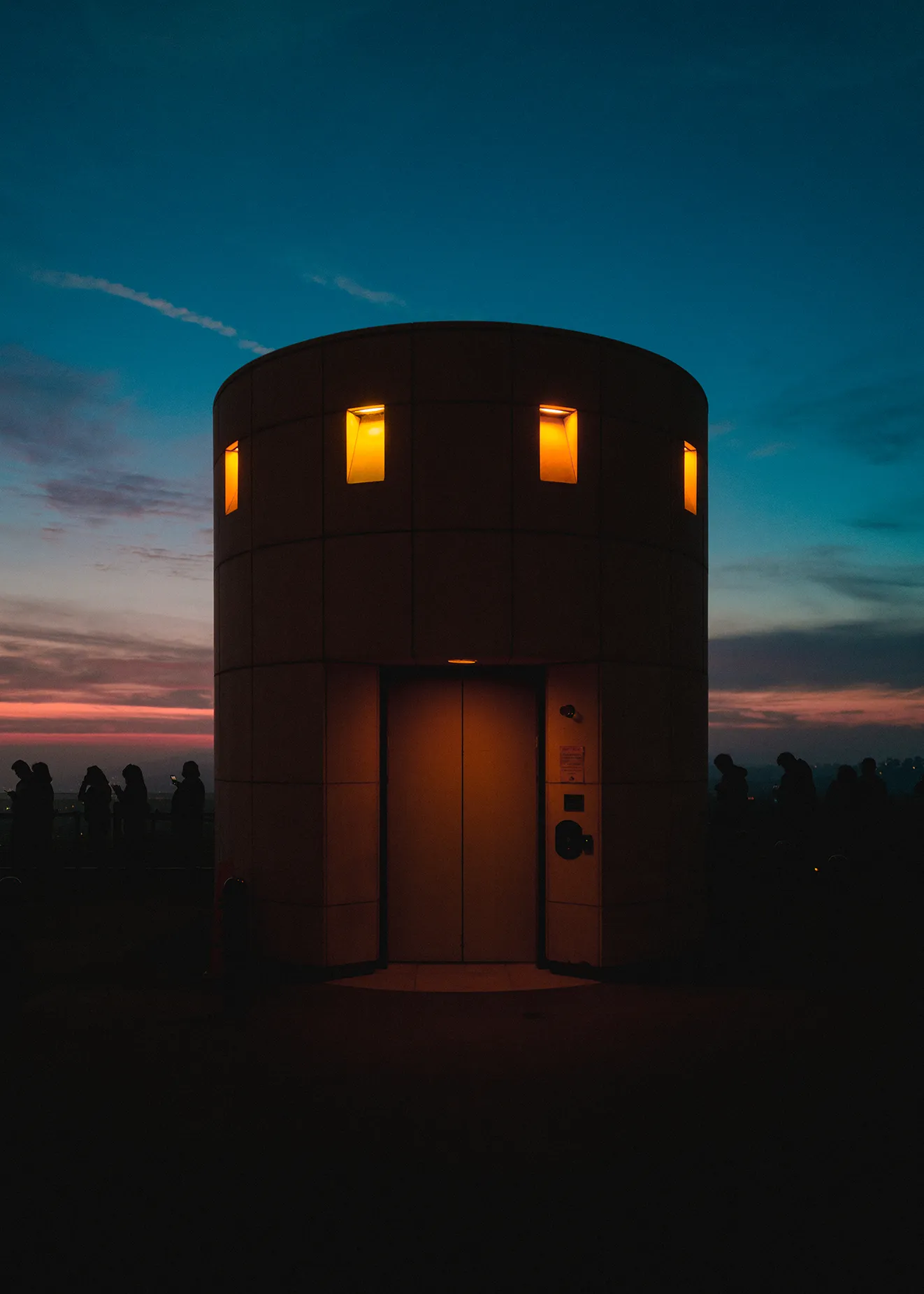
Griffith Park Observatory
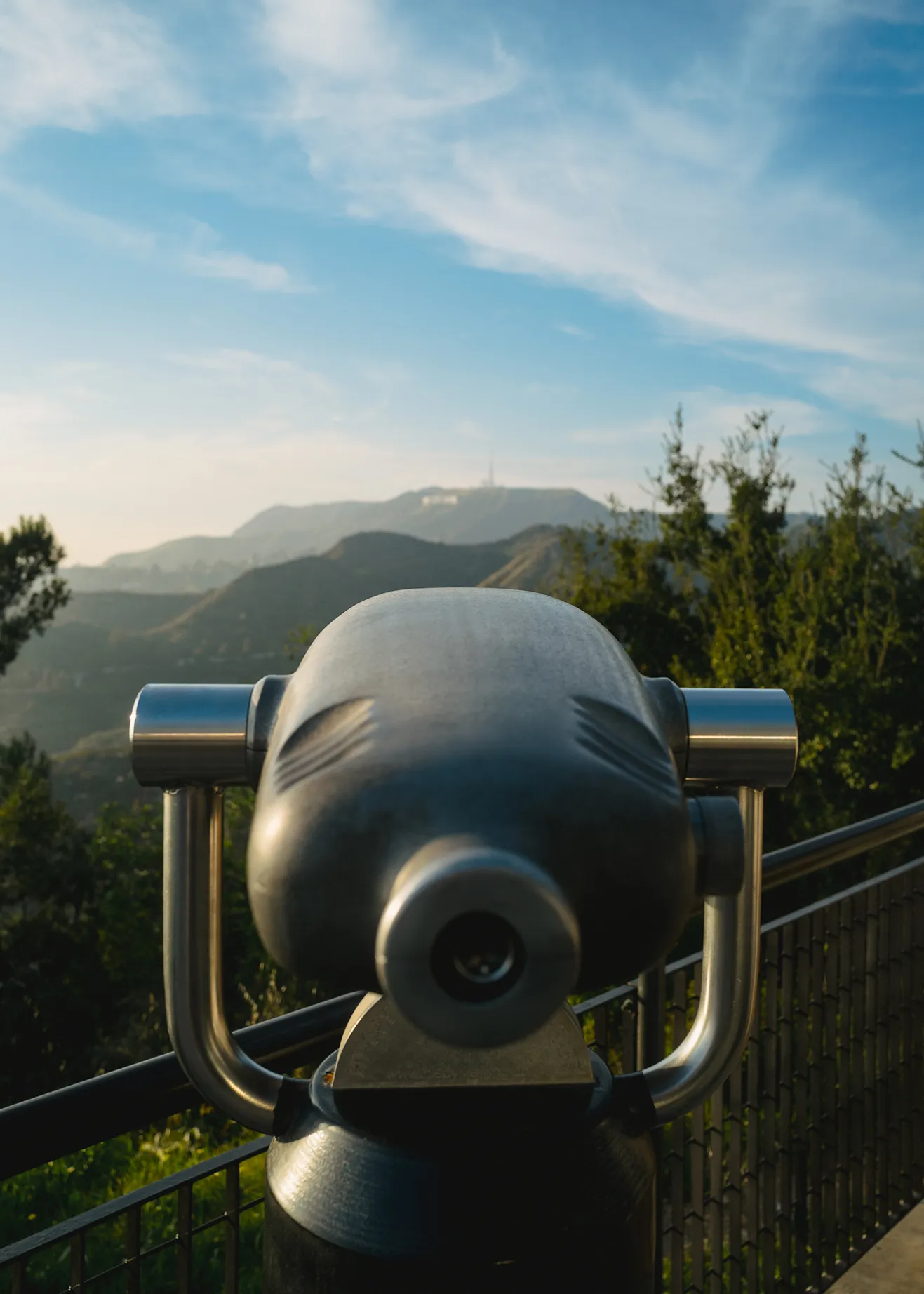
On the final day of my photographic exploration, my wife suggested seeking altitude for a fresh perspective of Los Angeles. Inspired by her idea, I decided to ascend to Griffith Park Observatory.
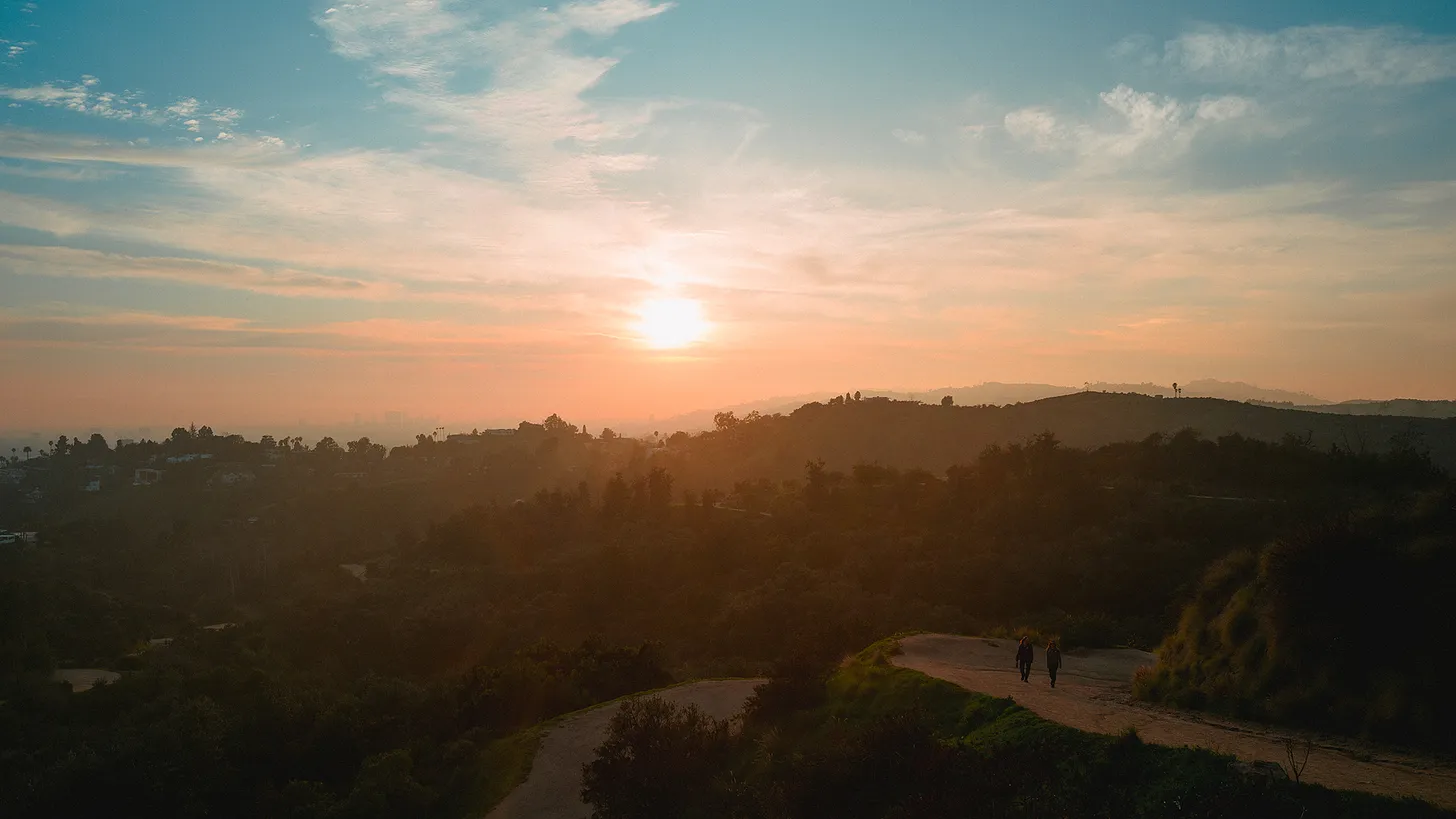
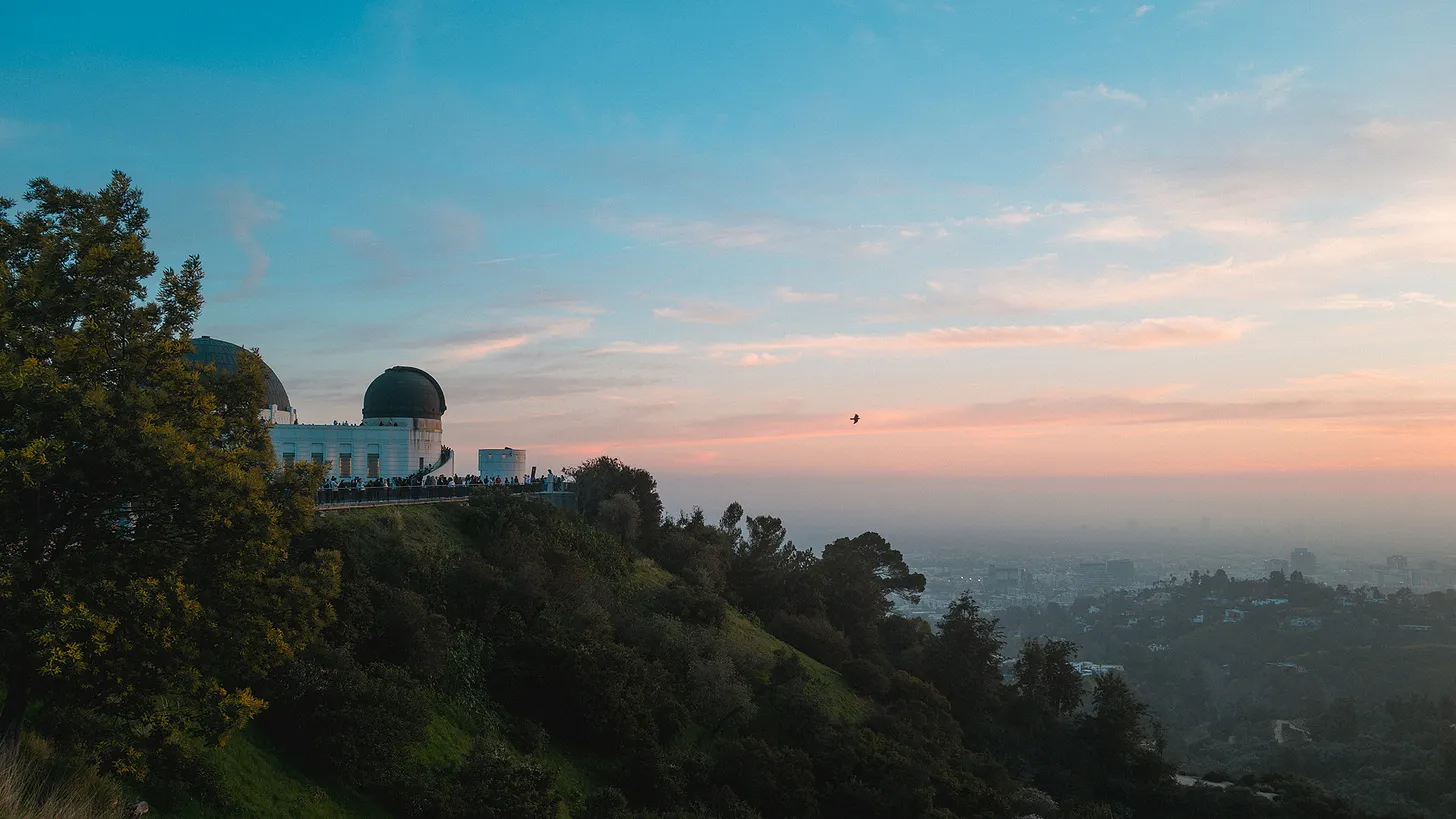
The observatory is an architectural marvel, but the panoramic views of downtown LA and the Hollywood sign are breathtaking. While the observatory offers fantastic vantage points, venturing on a short hike (15-30 minutes) from the summit rewards you with even more spectacular vistas. Note to self: keep hiking boots in the car!
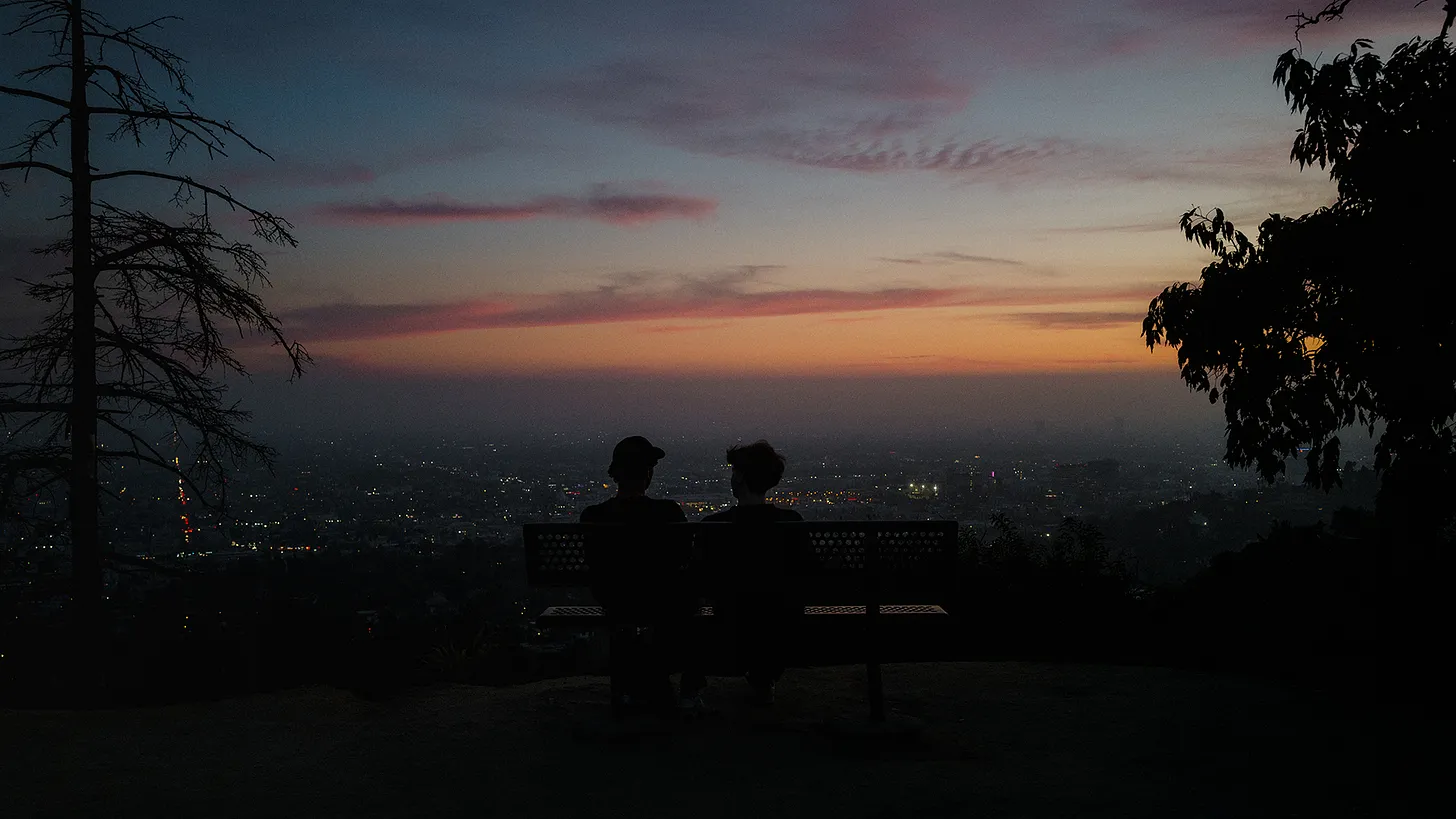
This popular location presented its usual parking challenges, but I managed to secure a spot and embark on a mini-hike before sunset. The effort was well worth it, as the changing light painted the city in mesmerizing hues. As I stood there, gazing at the sprawling cityscape below and the vast expanse of the night sky above, I was reminded of the profound wonder of space.
Closing Thoughts
After my trio of sunset photos, I've distilled my experiences into several key takeaways:
The Power of Spontaneity: Stepping away from the confines of detailed planning and allowing myself to be in the moment has unlocked a profound sense of freedom and creativity. The decision to let the world unfold in an unpredictable way has enriched my photography, making each shot a capture and a story.
Decisive Curating: With time, I've honed my eye for what truly captivates me, leading to a more assertive selection process. This has streamlined my workflow and deepened my connection to my work, ensuring that each chosen image genuinely reflects my vision.
Intentional Editing: Embracing a cinematic approach has redefined my editing style, guiding me to apply my most impactful edits across sequences for cohesive storytelling.
Looking back at the journey that led me here, I'm filled with a renewed passion for photography. I'm ready to explore the world's beauty with fresh eyes and an eager heart. The path ahead is clear, and I am ready to capture the wonder that awaits, one snapshot at a time.